
Jaw Pain Treatment Newport Beach
What we examine
- How far and how evenly the jaw opens
- Where in the range the clicking is
- The upper neck, which usually contributes
- Clenching patterns, day and night
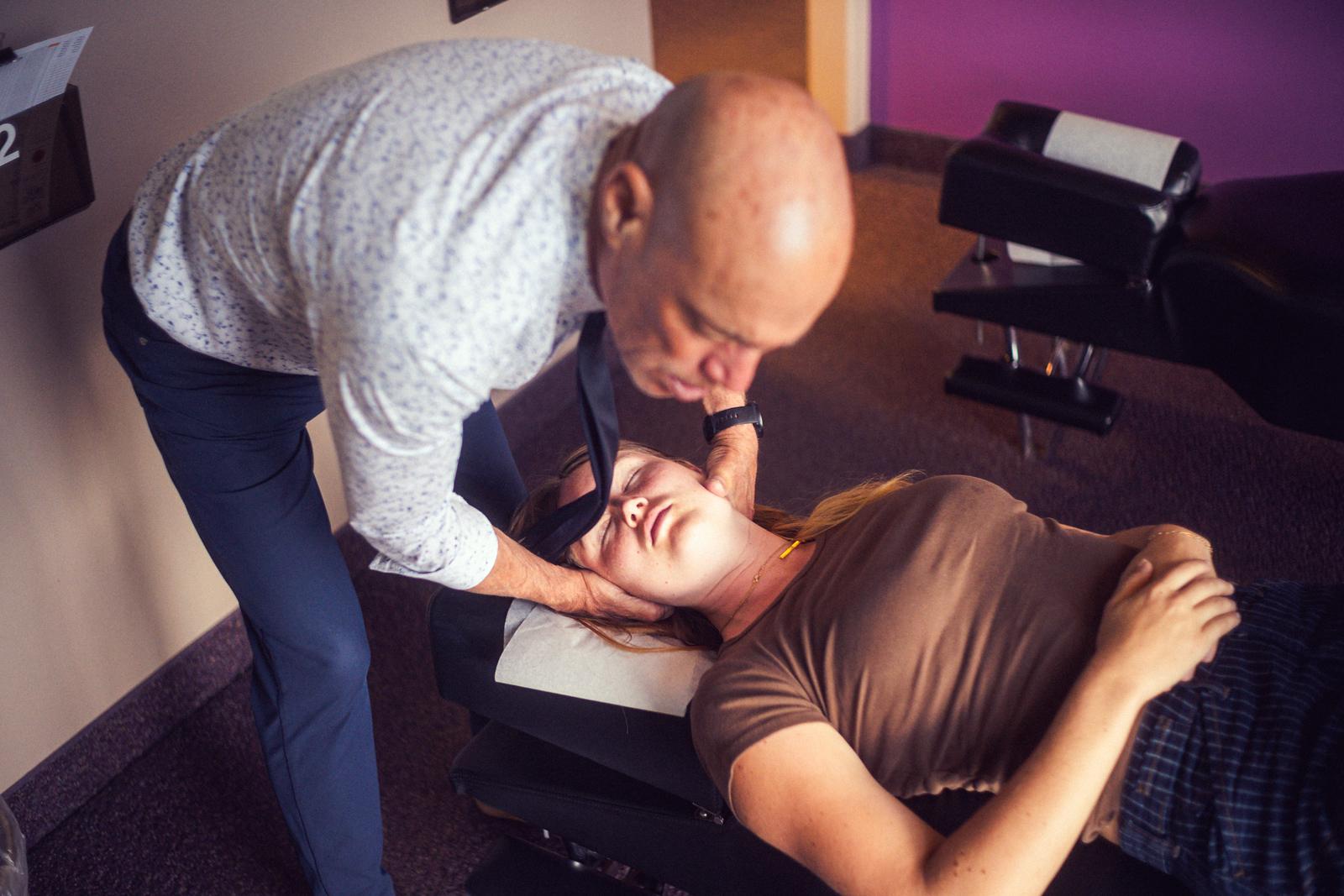
The temporomandibular joint is small, used constantly, and closely tied to the neck. Jaw pain usually involves some combination of the joint itself, the muscles that close it, and habits like clenching or grinding — most of which happen without you noticing.
How Jaw Pain Treatment Newport Beach is approached
Examination of how far and how symmetrically the jaw opens, whether it deviates to one side, and where the clicking occurs in the range. Jaw Pain Treatment Newport Beach patients here also get their neck examined, because upper cervical restriction and jaw problems travel together far more often than not.
The muscles do most of it
The muscles that close the jaw are powerful and become genuinely painful when overworked. Treating them directly, inside and outside the mouth as appropriate, is often the part that produces the quickest change.
Clenching, and when it happens
Mostly overnight, and mostly in people who are certain they do not do it. Waking with a tight jaw, headaches at the temples, or worn teeth are the usual clues. Daytime clenching is often tied to concentration and is easier to interrupt once you have noticed it.
Working with your dentist
Where grinding is significant, a properly fitted dental splint is often the single most useful intervention, and that is your dentist's territory. We are glad to work alongside one, and will say when we think that referral is the higher-value step.
What helps immediately
Softer food for a fortnight, avoiding wide opening and chewing gum, and heat over the jaw muscles. Not a treatment, but it reduces the provocation enough for the rest of the work to take hold.
What the clicking does and does not mean
A jaw that clicks without pain and opens fully is extremely common and generally needs nothing done about it. Clicking that comes with pain, or with the jaw catching or locking, is a different matter and worth examining. Nobody needs treatment purely because their jaw makes a noise, and we will say so rather than start a course of care on the strength of it.